

Cooper Lighting Recalls 42,000 Metalux LED High Bay Fixtures After Nine Fires Reported
By Liora Light Editorial Staff · August 1, 2026
Table of Contents
- What Happened: The CPSC Recall Announcement
- Which Fixtures Are Affected
- What Went Wrong: Understanding the Root Cause
- The Scope: Commercial and Industrial Impact
- What Building Owners and Facility Managers Should Do Now
- LED Driver Quality and Fire Safety: The Bigger Picture
- What This Means for the Lighting Industry
- Choosing Safe, High-Quality Lighting for Your Space
- Conclusion
- Sources
What Happened: The CPSC Recall Announcement
In early July 2026, the U.S. Consumer Product Safety Commission (CPSC) announced a voluntary recall of approximately 42,000 Metalux Optimized High Bay (OHB) LED light fixtures manufactured by Cooper Lighting Solutions. The recall was triggered after Cooper Lighting received nine separate reports of the fixtures catching fire during normal operation — a failure rate serious enough to warrant immediate federal action.
The affected fixtures were sold through electrical distributors and lighting wholesalers nationwide from approximately January 2021 through December 2024, with prices ranging from roughly $200 to $500 depending on the model and configuration. These are not consumer-grade products found on retail shelves; they are commercial and industrial fixtures designed for large-scale facilities, making the recall one of the more significant safety actions in the professional lighting sector this year.
According to the CPSC recall notice, the LED driver board within the fixture can overheat under normal operating conditions, creating what the commission classified as a fire hazard. At the time of the recall announcement, Cooper Lighting had received nine reports of fire incidents. While no injuries had been reported as of the CPSC filing, the potential for property damage and personal harm in the kinds of facilities where these fixtures are installed — warehouses storing flammable materials, manufacturing plants, retail spaces occupied by the public — is substantial.
Which Fixtures Are Affected
The recall specifically targets the Metalux Optimized High Bay (OHB) LED series — a product line that encompasses multiple lumen output levels, color temperatures, and mounting configurations. Cooper Lighting has established a dedicated recall page at content.cooperlighting.com/ohb-recall.html where facility managers can verify whether their specific model numbers and date codes fall within the recall scope.
The OHB series was offered in standard efficacy (SE) and high efficacy (HE) versions, with lumen packages ranging from approximately 10,000 to 30,000 lumens, making them suitable for mounting heights from roughly 15 to 40 feet. Common applications included:
- Warehouses and distribution centers
- Manufacturing and assembly facilities
- Big-box retail stores
- Gymnasiums and recreational centers
- Exhibition halls and convention centers
- Cold storage and food processing plants
Cooper Lighting advises any facility manager or electrical contractor with Metalux OHB fixtures installed to immediately check the model number and manufacturing date code against the recall database. Fixtures manufactured within the affected date range should be taken out of service until a replacement or remediation is completed.
What Went Wrong: Understanding the Root Cause
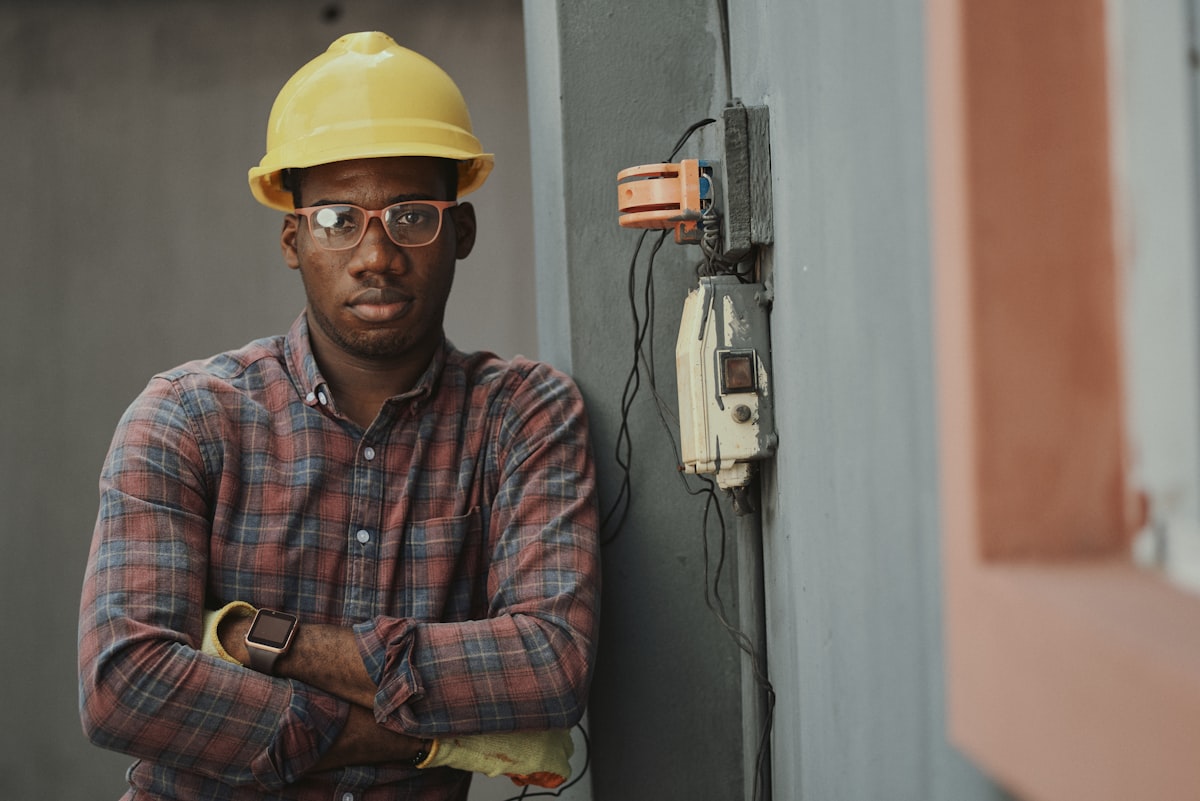
The CPSC recall notice identifies the LED driver board as the component responsible for the overheating condition. In an LED fixture, the driver serves as both power supply and current regulator — it converts incoming line voltage to the low-voltage DC current that LEDs require, while also managing thermal conditions within the fixture housing. When a driver fails, it can do so in ways that range from benign (the light simply stops working) to dangerous (components overheat to the point of ignition).
In the case of the Metalux OHB series, the specific failure mode appears to involve components on the driver board reaching temperatures high enough to ignite surrounding materials within the fixture enclosure. High bay fixtures, by design, concentrate significant thermal energy in a relatively compact housing. When driver components operate outside their designed thermal envelope — whether due to a component defect, inadequate heat sinking, or degradation over time — the risk of fire becomes real.
This is not the first time the lighting industry has grappled with driver-related safety issues. LED driver failures have been implicated in several high-profile recalls across different manufacturers over the past decade, underscoring the reality that even established brands with rigorous testing protocols can encounter component-level problems that only surface after years of field deployment. The nine reported fire incidents with the Metalux OHB series occurred across what was presumably a large installed base — Cooper Lighting has not disclosed the total number of units sold, only the recall quantity — but even a small failure rate of this nature demands decisive action.
The Scope: Commercial and Industrial Impact
Forty-two thousand fixtures represents a considerable recall by lighting industry standards. To put the number in perspective, a single large distribution center might have anywhere from 200 to 1,000 high bay fixtures installed, depending on square footage. A nationwide retail chain could have thousands of fixtures across its store portfolio. The recall potentially touches hundreds of commercial properties, each of which now faces the logistical challenge of identifying, decommissioning, and replacing affected units.
The timing adds a layer of complexity. Commercial electricians and lighting contractors are already navigating a 2026 supply chain that industry analysts describe as uneven for lighting, appliances, and finish hardware categories. Replacing 42,000 fixtures in the field requires not just the replacement units themselves — which Cooper Lighting is obligated to provide — but also skilled labor for the physical swap-out, lifts or scaffolding for accessing high-ceiling installations, and coordination around facility operating hours to minimize business disruption.
Cooper Lighting Solutions, headquartered in Peachtree City, Georgia, operates as a subsidiary of Signify N.V., the Dutch multinational that is the world's largest lighting company. Signify, which trades on the Euronext Amsterdam exchange, acquired Cooper Lighting from Eaton in 2020 in a transaction valued at $1.4 billion. The Metalux brand, under which the recalled fixtures are sold, has been a mainstay brand of commercial and industrial lighting in North America for decades, with a particularly strong presence in the warehouse, manufacturing, and retail segments.
What Building Owners and Facility Managers Should Do Now
If you own or manage a commercial or industrial facility that may have Metalux OHB LED fixtures installed, the following steps are recommended immediately.
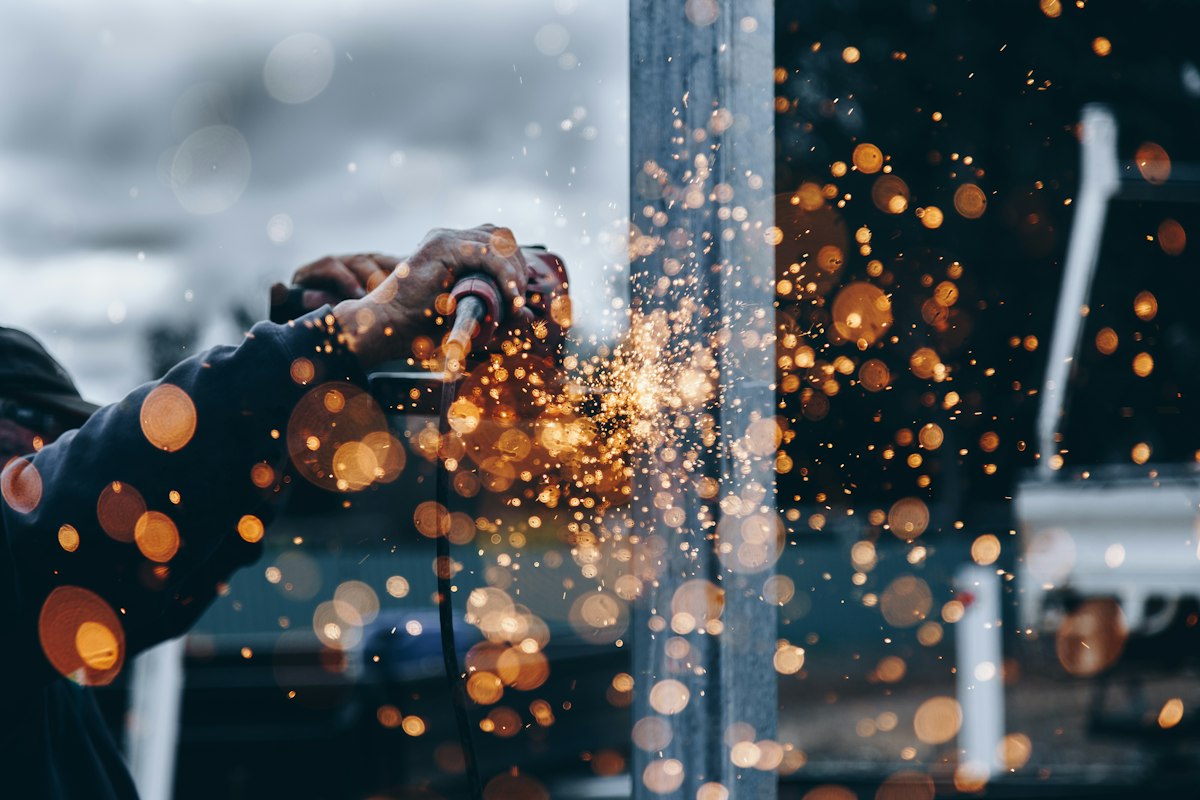
First, identify whether your fixtures are affected. Locate the model number and date code on the fixture label, typically found on the driver housing or the exterior of the fixture body. Compare this information against the recall notice available on Cooper Lighting's dedicated recall page or the CPSC website. If you do not have direct access to the fixtures — for example, if the units are mounted at 30-foot heights in an active warehouse — contact the electrical contractor who performed the original installation or arrange for a qualified electrician to conduct an inspection.
Second, if your fixtures are confirmed as affected models, de-energize them immediately. Do not simply turn them off at the wall switch; have a licensed electrician disconnect them at the branch circuit level to ensure no power reaches the driver board. This is especially important in facilities where lighting circuits may be controlled by automated timers, occupancy sensors, or building management systems that could re-energize fixtures without manual intervention.
Third, contact Cooper Lighting Solutions to arrange for the free replacement or refund offered under the recall program. The company has established a recall hotline and online portal for processing claims. Be prepared to provide the fixture model numbers, quantity, date codes, and proof of purchase if available. Cooper Lighting has stated that it will coordinate with electrical distributors to facilitate replacement shipments.
Fourth, consider the opportunity to evaluate your facility's lighting design while fixtures are being replaced. A recall-driven replacement, while disruptive, can be a practical moment to reassess light levels, color temperature, control systems, and energy performance. For some facilities, the recall may align with an already-planned lighting upgrade or retrofit project.
LED Driver Quality and Fire Safety: The Bigger Picture
The Metalux OHB recall raises broader questions about LED driver reliability and the long-term safety profile of solid-state lighting products that have been aggressively adopted across the commercial sector over the past decade. LED technology has been widely embraced for its energy efficiency, long rated life, and reduced maintenance requirements compared to legacy fluorescent and HID systems. But the driver — the electronic heart of any LED fixture — remains the component most likely to fail, and when it does, the consequences can extend well beyond a dark fixture.
The DesignLights Consortium (DLC), which maintains technical requirements for commercial LED products qualifying for utility rebate programs across North America, has progressively tightened its performance and reliability standards over successive versions of its technical requirements. In a related development, the DLC released updated Networked Lighting Controls Technical Requirements (NLC V5.2) in July 2026, continuing its push toward more robust, interoperable, and verifiable lighting systems. The updated requirements emphasize cybersecurity provisions, energy monitoring accuracy, and commissioning verification — all elements that contribute to safer, more transparent system performance.
Industry observers have noted that the proliferation of LED products from an increasingly globalized supply chain has made quality assurance more challenging. While major manufacturers like Cooper Lighting maintain extensive in-house testing laboratories and quality management systems, the component-level supply chain for LED drivers includes semiconductor suppliers, capacitor manufacturers, and PCB fabricators that may span multiple countries and regulatory regimes. A single substandard batch of capacitors, for instance, can affect products across multiple fixture model lines and manufacturing dates.

The National Electrical Manufacturers Association (NEMA) and the Illuminating Engineering Society (IES) have both published guidance documents on LED driver reliability testing and thermal management best practices. ANSI/IES LM-80 and TM-21 provide standardized methodologies for measuring LED lumen maintenance and projecting useful life, but driver reliability testing standards remain less uniformly adopted across the industry. Some lighting professionals have advocated for mandatory accelerated life testing of drivers that replicates worst-case thermal conditions and extended operating hours, arguing that laboratory bench testing at room temperature does not adequately represent the conditions inside a fixture housing mounted near a warehouse ceiling in a hot climate.
What This Means for the Lighting Industry
The Cooper Lighting recall arrives at a moment when the U.S. lighting industry is navigating several intersecting trends. The commercial LED market is mature, with penetration rates exceeding 80% in many application segments. The growth frontier has shifted from basic LED retrofits to connected lighting systems, human-centric lighting, and integration with building automation platforms. At the same time, the regulatory environment around lighting energy efficiency is in flux.
In July 2026, the U.S. Department of Energy proposed significant changes to its energy conservation standards rulemaking process — changes that could, depending on the final rule, affect the pace and scope of future lighting efficiency standards. The DOE's proposal, published in the Federal Register, would modify the procedures and analytical framework used to evaluate new or revised energy conservation standards for consumer products and certain commercial and industrial equipment, including lighting products.
A high-profile safety recall from a major manufacturer inevitably invites questions about whether cost pressures in a competitive, mature market have affected the robustness of product design and component selection. The commercial lighting market is intensely price-competitive, with fixture manufacturers balancing performance, efficiency, reliability, and cost across thousands of SKUs. When one of the industry's largest players issues a recall affecting 42,000 units, it serves as a reminder that even the most established brands are not immune to the quality challenges inherent in complex electronic products.
For electrical contractors and specifiers, the recall reinforces the importance of thorough due diligence when selecting fixtures for commercial projects. Factors such as a manufacturer's warranty terms, track record with similar product lines, availability of replacement parts, and responsiveness to field issues should all factor into procurement decisions alongside first cost and photometric performance.
Choosing Safe, High-Quality Lighting for Your Space
For homeowners, interior designers, and small business owners who may be following this story, the Metalux OHB recall is a reminder that lighting safety applies at every scale — not just in warehouses and factories. While the recalled fixtures are commercial-grade products not typically found in residential settings, the underlying principles of selecting well-engineered, certified lighting products are universal.
When choosing lighting for your home or business, look for products that carry recognized safety certifications such as UL, ETL, or CSA marks. These certifications indicate that the fixture has been tested by an independent laboratory to meet applicable safety standards. Reputable manufacturers make certification information readily available on product packaging, specification sheets, and websites.
For residential spaces, consider how the fixture's design manages heat dissipation. LED fixtures that incorporate metal heat sinks, ventilated housings, and thermally efficient driver compartments are generally engineered to a higher standard than those that appear to prioritize form over thermal management. Ceiling-mounted fixtures in particular — whether they are flush-mount ceiling lights or decorative chandeliers — should provide adequate clearance for heat dissipation above the fixture housing, especially when installed on insulated ceilings.
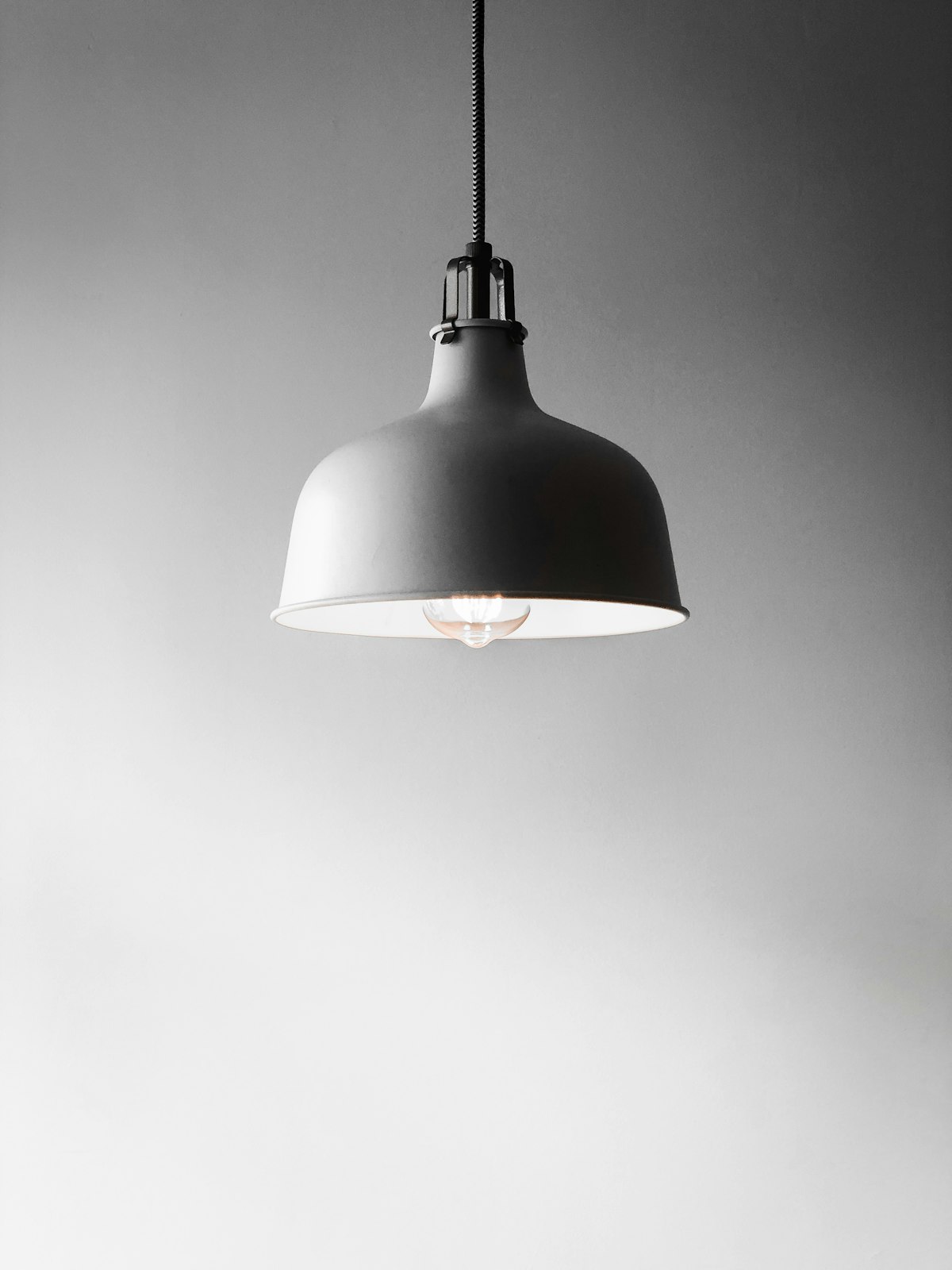
If you are furnishing a dining room, for example, an elegant chandelier such as the Ginkgo Crown Chandelier combines sculptural design with quality craftsmanship and LED compatibility. For living rooms and entryways where a semi-flush ceiling fixture might be appropriate, fixtures from Liora Light's ceiling lamp collection are selected with an emphasis on build quality, material integrity, and reliable electrical components — the same attributes that distinguish well-made commercial fixtures from those that cut corners. In spaces where you want to make a design statement without compromising on safety, a handcrafted pendant like the Serena Tiffany Pendant Lamp offers artisan-level craftsmanship paired with modern LED-ready sockets and UL-certified wiring.
Conclusion
The Cooper Lighting Metalux Optimized High Bay LED recall is a significant safety event in the commercial lighting sector — 42,000 fixtures, nine confirmed fires, and a federal recall through the CPSC. For the facility managers, electrical contractors, and building owners who are directly affected, the immediate priority is identifying and de-energizing suspect fixtures and arranging replacements through Cooper Lighting's recall program.
For the broader lighting industry, the recall is a moment of reflection on quality assurance practices, supply chain oversight, and the long-term reliability of LED driver electronics. It arrives at a time when the regulatory landscape for lighting is shifting, with the DOE reconsidering the pace of efficiency standard-setting and the DLC advancing more stringent performance and interoperability requirements for networked control systems.
For consumers and design professionals, the episode reinforces a straightforward lesson: quality matters. Whether you are lighting a 500,000-square-foot distribution center or a 200-square-foot dining room, the fixtures you choose should come from manufacturers who invest in safety testing, stand behind their products, and design with the real-world thermal conditions of the installation environment in mind. Lighting is infrastructure, and infrastructure should be built to last — safely.
Sources
- U.S. Consumer Product Safety Commission — Cooper Lighting Recalls Metalux Optimized High Bay LED Light Fixtures Due to Fire Hazard
- Cooper Lighting Solutions — Product Recall Notice: Metalux Optimized High Bay LED Fixtures
- Inside Lighting — Cooper Lighting Recalls 42,000 Metalux High Bay Fixtures
- Edison Report — Cooper Lighting Announces Recall
- DesignLights Consortium — DLC Releases Updated Networked Lighting Controls Technical Requirements V5.2
- TED Magazine — Cooper Lighting Recalls 42K High Bay LED Fixtures Over Fire Risk
- Inside Lighting — DOE Proposal Could Slow the Pace of Lighting Energy Standards
- LightNOW — DLC Finalizes Networked Lighting Controls (NLC) V5.2